

shell
benducket3211@gmail.com
Delrin and Acetal Material Properties: Which Engineering Plastic Provides the Best Performance for Precision Components? (12 อ่าน)
26 ก.ค. 2569 13:37
Engineering plastics have become essential materials in modern manufacturing because they offer an excellent balance of strength, durability, lightweight construction, and machining efficiency. Among the most widely used thermoplastics are Delrin and acetal, both of which are trusted for producing precision components in demanding industries. Understanding Delrin and acetal material properties helps engineers, CNC machining companies, manufacturers, and product designers select the right material for applications that require reliability and long service life.
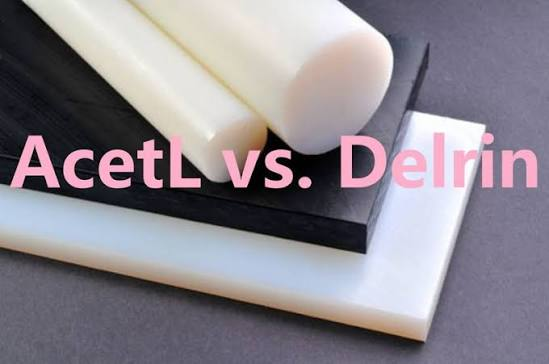
Although the names are often used interchangeably, Delrin and acetal are not exactly the same. Acetal refers to a family of polyoxymethylene (POM) engineering plastics, while Delrin is a well-known acetal homopolymer developed by DuPont. Both materials share many performance advantages, but they also have important differences that influence their behavior in various industrial environments. A thorough understanding of Delrin and acetal material properties makes it easier to optimize manufacturing performance, reduce maintenance costs, and improve product quality.
These engineering plastics are commonly used in automotive systems, aerospace components, industrial automation, robotics, medical devices, food processing equipment, consumer products, and electrical assemblies because they combine excellent mechanical strength with outstanding dimensional stability.
Mechanical Performance and Structural Characteristics
One of the most important aspects of Delrin and acetal material properties is their impressive mechanical performance. Both materials provide high tensile strength, excellent stiffness, superior impact resistance, and remarkable fatigue performance. These qualities allow them to replace heavier metal components in many engineering applications while maintaining outstanding durability.
Delrin offers slightly higher strength, increased rigidity, and greater surface hardness because of its homopolymer structure. These characteristics make it particularly suitable for parts that experience continuous mechanical stress, repetitive movement, or heavy loading. Components such as gears, bearings, bushings, rollers, conveyor parts, and precision mechanical assemblies often benefit from Delrin's enhanced structural performance.
Standard acetal copolymer provides excellent overall mechanical strength while delivering greater resistance to thermal degradation and harsh chemical environments. Its balanced combination of durability and environmental stability makes it highly suitable for industrial machinery operating in humid conditions or exposed to cleaning solutions and industrial chemicals.
Both materials exhibit excellent dimensional stability. Precision-machined parts maintain accurate dimensions over long operating periods even when environmental conditions change. This characteristic is especially valuable in robotics, automation systems, aerospace equipment, and medical devices where even minor dimensional changes can affect overall system performance.
Low moisture absorption further enhances their reliability. Unlike many engineering plastics, Delrin and acetal absorb very little water, allowing components to retain their original dimensions and mechanical properties even after prolonged exposure to humidity.
Chemical Resistance and Industrial Reliability
A complete understanding of Delrin and acetal material properties requires evaluating their resistance to chemicals, moisture, and demanding industrial environments. Acetal copolymer generally demonstrates superior resistance to hydrolysis, oxidation, and aggressive chemicals. This allows it to maintain stable performance in applications involving water, industrial cleaners, lubricants, fuels, and many processing chemicals.
Delrin also offers excellent resistance to oils, solvents, fuels, and numerous industrial fluids. However, in environments involving continuous moisture exposure or aggressive chemical processing, acetal copolymer often provides greater long-term stability. This distinction plays an important role when selecting materials for food processing equipment, pharmaceutical machinery, water treatment systems, laboratory instruments, and chemical manufacturing facilities.
Another valuable property shared by both materials is their naturally low coefficient of friction. This characteristic minimizes wear between moving components, reduces lubrication requirements, and improves the overall efficiency of mechanical systems. The excellent wear resistance of both materials helps extend equipment lifespan while lowering maintenance expenses.
Electrical insulation properties also contribute to their popularity across numerous industries. Delrin and acetal are widely used for electrical connectors, insulating components, switches, sensor housings, and electronic assemblies because they combine mechanical durability with dependable electrical performance.
These engineering plastics also demonstrate good resistance to repeated mechanical loading, making them ideal for components operating continuously under demanding industrial conditions. Their combination of strength and environmental stability makes them reliable materials for long-term industrial service.
Machining Performance and Manufacturing Advantages
The outstanding machining characteristics of these materials are another reason manufacturers frequently evaluate Delrin and acetal material properties before selecting a material. Both engineering plastics are highly compatible with CNC machining, allowing manufacturers to produce complex precision parts with exceptional dimensional accuracy and smooth surface finishes.
Delrin machines exceptionally well because of its stiffness and structural consistency. Manufacturers producing gears, bushings, precision housings, and structural mechanical parts often select Delrin to achieve tight tolerances and consistent production quality. Its excellent chip formation also reduces machining time and minimizes cutting tool wear, improving manufacturing efficiency.
Acetal copolymer offers equally impressive machinability while providing greater flexibility for applications involving challenging operating environments. Precision components manufactured from acetal maintain excellent dimensional accuracy while resisting environmental degradation throughout extended service periods. These advantages help manufacturers reduce production costs while maintaining high product quality.
Both materials support high-speed CNC machining operations without sacrificing precision. Their excellent surface finish characteristics often eliminate the need for extensive secondary finishing processes, allowing manufacturers to increase productivity and shorten production cycles.
The lightweight nature of both materials also contributes to reduced shipping costs and improved equipment efficiency. As industries continue replacing metal components with engineering plastics, Delrin and acetal remain among the preferred choices because they deliver high performance while reducing overall system weight.
Material Selection for Modern Engineering
Selecting the appropriate engineering plastic requires evaluating performance requirements, operating conditions, manufacturing processes, and long-term reliability. Understanding Delrin and acetal material properties allows engineers to choose the material best suited for each specific application.
Projects requiring maximum mechanical strength, higher rigidity, and outstanding fatigue resistance often benefit from Delrin. Its superior structural performance makes it ideal for demanding automotive components, aerospace assemblies, industrial machinery, and mechanical systems operating under continuous stress.
Applications involving moisture, sanitation, chemical processing, and harsh environmental conditions frequently favor acetal copolymer because of its enhanced chemical resistance and improved hydrolysis stability. Food processing equipment, medical devices, fluid handling systems, and industrial automation components often achieve longer service life when manufactured from acetal copolymer.
Modern industries such as robotics, electric vehicle manufacturing, renewable energy, aerospace engineering, consumer electronics, and industrial automation continue expanding their use of engineering plastics because they improve efficiency, reduce equipment weight, and increase operational reliability. Both Delrin and acetal remain leading material choices because they provide excellent machinability, superior wear resistance, reliable dimensional stability, and exceptional long-term durability.
As manufacturing technologies continue advancing, the demand for precision engineering plastics will continue growing. Understanding the unique strengths of each material enables manufacturers to improve production efficiency, reduce maintenance requirements, and create products capable of meeting increasingly demanding engineering standards.
Conclusion
Understanding Delrin and acetal material properties is essential for selecting the right engineering plastic for precision manufacturing applications. Both materials provide excellent strength, outstanding wear resistance, low friction, superior dimensional stability, and exceptional machinability. Delrin offers greater stiffness, higher tensile strength, and improved fatigue resistance, making it ideal for demanding mechanical applications. Acetal copolymer provides enhanced chemical resistance, superior moisture stability, and dependable long-term performance in challenging industrial environments. By carefully evaluating application requirements, environmental conditions, machining needs, and production objectives, engineers and manufacturers can confidently select the material that delivers the best combination of durability, precision, efficiency, and long-term value.
43.242.176.24
shell
ผู้เยี่ยมชม
benducket3211@gmail.com