

Alex Johnson
alex10@outlook.com
Gummies THC, Bonbon au THC, and THC Gummies: Understanding Cannabis Candy (10 อ่าน)
15 ต.ค. 2569 03:28
Gummies THC have emerged as one of the more recognizable types of cannabis edibles, largely because they are inconspicuous, easy to carry, and easy to consume without lighting up or vaporizing. They also require more care than many newcomers expect. Unlike inhaled cannabis, an edible can take a considerable amount of time to generate observable effects, while the experience can continue for several hours. That delayed response is a key reason responsible dosing matters.
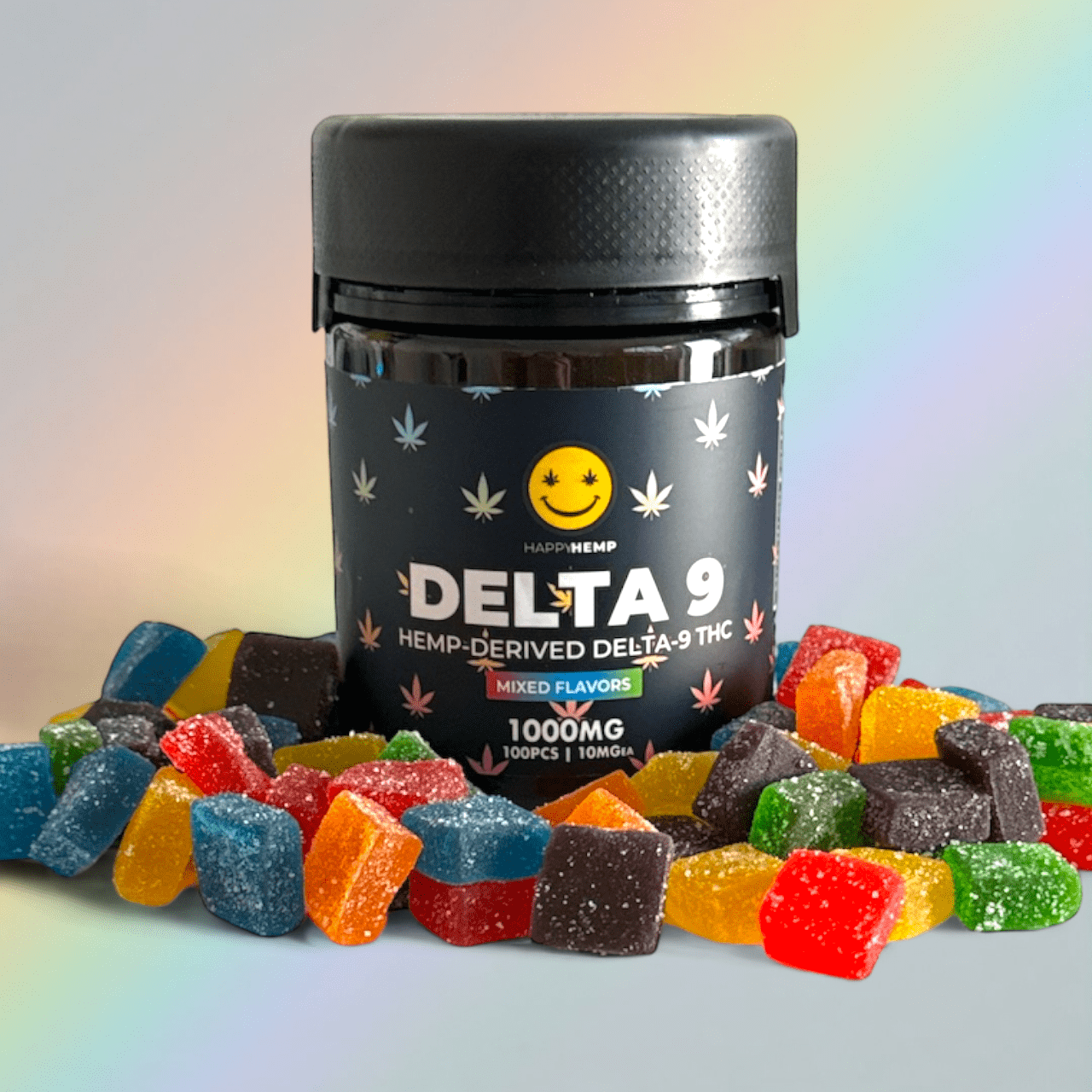
Any person evaluating THC gummies should look beyond the taste, wrapper, or advertised strength. The relevant questions are straightforward: How much THC is indeed present? Is the product clearly labeled? What further ingredients are included? How long might the effects persist? What are the regional rules governing possession and sale? These details make a significantly larger difference to the experience than the appearance of the gummy itself.
What THC Gummies Actually Contain
THC gummies are edible products formulated with tetrahydrocannabinol, commonly known as THC, the principal intoxicating cannabinoid in cannabis. Manufacturers generally combine a cannabis extract or distillate with ingredients that form the gummy's consistency and flavor. Based on the recipe, these often contain sugar, pectin or gelatin, flavorings, oils, acids, and other food ingredients.
The potency of THC can differ significantly among products. Some gummies are designed as separate low‐dose pieces, while others contain considerably more THC per gummy or throughout the whole container. Reading the label carefully is therefore essential. A package's total THC content is may differ from the amount contained in one gummy.
Another important distinction is between THC and non‐intoxicating cannabinoids. Items can include CBD or other cannabinoids alongside THC, and the overall sensation can vary according to the formulation. Consumers should not assume that a product described simply as a cannabis gummy has the same composition as another product carrying a similar description.
Why Edible THC Feels Different From Inhaled Cannabis
The method of consumption alters the speed and quality of THC's effects. When cannabis is inhaled, THC reaches the bloodstream relatively quickly. The edible takes an alternative trajectory, moving through the gut before liver metabolism. Therefore, the onset can be much slower and the effects may persist considerably longer.
This lag poses a typical issue for novice users. Someone may consume a gummy, feel nothing after a short period, and assume that the dose was ineffective. Consuming more THC before the initial dose fully kicks in may cause an unexpectedly intense effect later.
Therefore, patience is one of the most important practical aspects with edible cannabis. The exact timing varies based on factors such as metabolism, whether food was consumed around the same time, individual tolerance, and the product itself. A consistent timing cue does not exist for everyone.
Understanding THC Strength and Portion Size
THC labeling requires careful consideration because serving size and package size can be confusing. A container could contain many gummies yet list a total THC number for the full package. The amount in a single piece might be much less than the total displayed on the label.
Individuals with little or no THC experience typically lack information on how their bodies will react. Tolerance levels varies, and previous cannabis experience does not guarantee the same reaction with an edible. A wise approach is to treat unfamiliar products warily rather than assessing potency by looks or matching them straight to smoked cannabis.
It is also advisable to verify if lab testing data is available. Open labeling should make it reasonably clear what cannabinoids are present and how much THC is contained in the stated serving. Products with unclear wording or unclear dosage information require further caution.
Possible Effects and Unwanted Reactions
THC can affect in perception, mood, attention, coordination, and the sense of time. Some individuals report relaxation or euphoria, while others could encounter drowsiness, impaired concentration, anxiety, dizziness, or an uncomfortable sense of mental stimulation. The same person can respond differently on different occasions based on dose, surroundings, tolerance, and other factors.
Edibles may be especially tricky as their effects can last for many hours. If one feels uncomfortable, they cannot simply undo the dose. A calm environment, hydration, rest, and avoiding additional substances are generally more sensible responses than trying to counteract the experience with another intoxicating product.
Severe or unusual symptoms should not be dismissed as an ordinary cannabis reaction. If someone becomes extremely confused, loses consciousness, has difficulty breathing, experiences a seizure, or otherwise appears seriously unwell, seeking urgent medical assistance is appropriate.
Keeping THC Gummies Away From Children and Pets
A key safety concern with cannabis edibles is accidental consumption. Gummies can resemble ordinary confectionery, particularly when they have bright colors, sweet flavors, or familiar shapes. Kids and animals cannot decide wisely about THC exposure, therefore storage must be handled carefully.
THC items ought to stay in original packaging when feasible and be kept safely away from regular food. Placing gummies on a kitchen counter, in a bag, or in a readily reachable drawer poses unnecessary danger. If unintended ingestion happens, immediate medical or veterinary counsel is needed, depending on the exposed party.
Interactions and Situations Requiring Extra Care
THC can interact with other substances, including alcohol and some medicines. Combining intoxicating substances can make impairment less predictable and may increase unwanted effects such as dizziness, sedation, or poor judgment. People who take prescribed meds or have health issues should talk to a medical professional about cannabis use rather than presume an edible is harmless just because it’s sold as a food item.
Driving presents another distinct concern. THC can affect reaction time, attention, coordination, and decision‐making. The fact that the impact originates from an edible instead of smoked cannabis does not eliminate the impairment danger. Anyone taking THC should arrange travel that does not involve driving while impaired.
Legal Status Depends on Where You Live
Cannabis legal frameworks differ significantly between nations and, in some locales, between regions of the same nation. Regulations may cover THC potency, possession, personal consumption, manufacturing, advertising, import, and commercial sales individually. A product being available online does not automatically mean that purchasing, importing, possessing, or receiving it is lawful in every location.
This is particularly important when an order crosses national borders. Customs guidelines and controlled‐substance rules can be enforced independent of the seller’s assertions. Prior to buying or moving any THC product, shoppers ought to verify the present rules that affect their specific area instead of depending on assumptions from another nation.
How to Evaluate a THC Gummy Responsibly
A useful way to assess an edible is to focus on transparency rather than marketing language. Explicit cannabinoid info, clear serving specifics, proper packaging, ingredient transparency, and reliable testing data offer a firmer basis for evaluation than assertions of high potency or guaranteed outcomes.
It is also worth considering whether the product's intended use is clearly explained. Responsible cannabis information should acknowledge variability rather than promise a particular emotional or physical outcome. No edible can assure that all users will feel relaxation, better mood, or any particular effect.
A More Careful Approach to Gummies THC
For anyone investigating Gummies THC, the most valuable beginning is education over experimentation. Understand the cannabinoid content, recognize that edible effects can take time to appear, avoid combining THC with alcohol or other intoxicants, and keep products securely away from children and animals. Most importantly, never assume that a familiar‐looking candy has a predictable effect simply because it is small or easy to consume.
Product info and regional regulations ought to be verified before any decision. For more details on THC gummies, ingredients, product descriptions, and responsible aspects, you can consult Gummies THC while independently verifying the rules that apply in your location.
39.50.213.67
Alex Johnson
ผู้เยี่ยมชม
alex10@outlook.com