

shell
benducket3211@gmail.com
Autoperformance60: Can It Help Car Enthusiasts Explore Automotive Performance and Better Vehicle Maintenance? (6 อ่าน)
21 ต.ค. 2569 16:31
Autoperformance60 is a keyword associated with automotive performance, vehicle maintenance, and the interests of people who want to learn more about cars. The automotive industry continues to attract drivers who want reliable vehicles, improved engine efficiency, better handling, and a comfortable driving experience. From routine servicing to performance upgrades, understanding the different aspects of car care can help vehicle owners make informed decisions and maintain their automobiles over time.
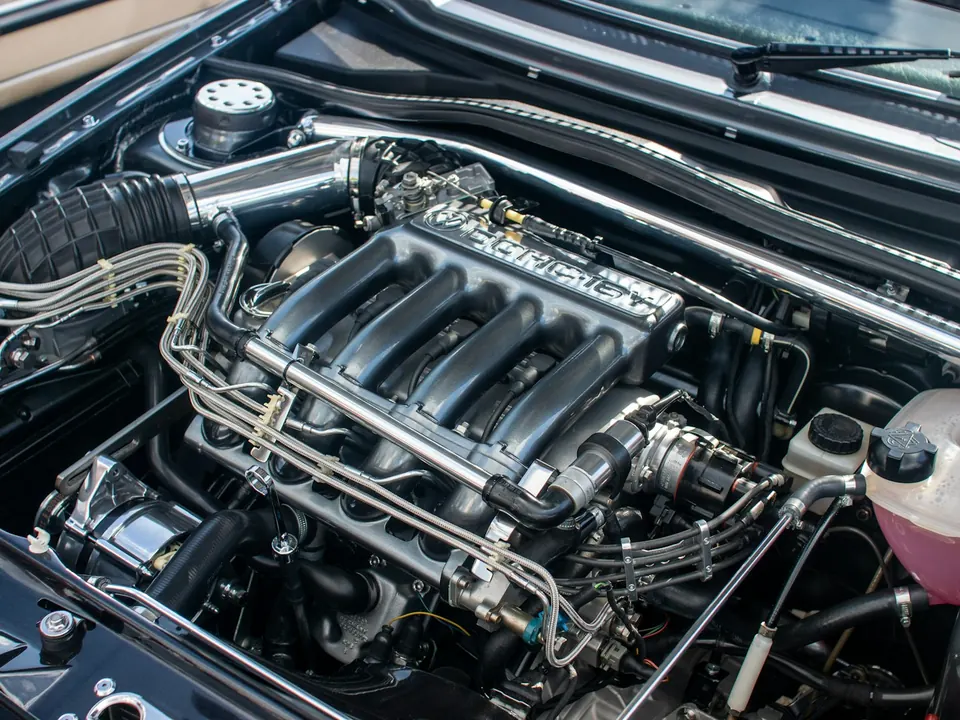
Interest in autoperformance60 also reflects the growing popularity of automotive information online. Drivers frequently search for information about engine performance, car accessories, mechanical repairs, vehicle diagnostics, and automotive technology. These subjects are relevant to everyday drivers as well as enthusiasts who enjoy learning about sports cars, engine tuning, and vehicle customization.
Modern automobiles combine mechanical engineering with sophisticated electronic systems. Engine management technology, advanced braking systems, fuel injection, and digital diagnostic tools have transformed the way vehicles operate. At the same time, traditional maintenance practices remain essential for keeping cars dependable and efficient. Understanding the connection between these areas can help drivers appreciate the importance of proper vehicle care.
Autoperformance60 and the Importance of Automotive Performance
Automotive performance involves several factors that influence how a vehicle accelerates, handles, brakes, and operates under different driving conditions. Although engine power often receives the most attention, overall performance depends on much more than horsepower. Transmission efficiency, tire quality, suspension design, braking capability, and vehicle weight all contribute to the driving experience.
Autoperformance60 provides a useful starting point for exploring these automotive topics. Drivers interested in improving their vehicles can learn about the mechanical systems responsible for power delivery, stability, and efficiency. Understanding these systems also helps car owners recognize the difference between meaningful improvements and modifications that offer limited practical benefits.
Engine performance is an important consideration for many automotive enthusiasts. Modern engines use carefully controlled fuel injection and electronic management systems to balance power, emissions, and fuel consumption. Regular maintenance helps these systems operate as intended. Replacing worn spark plugs when required, maintaining clean filters, and addressing engine warning lights can help preserve dependable operation.
Vehicle handling is another important aspect of automotive performance. Suspension components help maintain tire contact with the road, while steering systems allow drivers to control the direction of the vehicle. Worn shock absorbers, damaged suspension parts, or incorrect wheel alignment can negatively affect comfort and handling. Regular inspections help identify these issues before they become more serious.
Braking performance is equally important because drivers need predictable stopping power in different traffic situations. Brake pads, rotors, brake fluid, and related components should be maintained according to the vehicle manufacturer's recommendations. A well-maintained braking system contributes to safer driving and helps the vehicle respond more consistently when stopping is necessary.
For anyone exploring autoperformance60, understanding these connected systems offers a more complete picture of automotive performance. A dependable vehicle is not simply one with a powerful engine; it is one in which all major components work together effectively.
Vehicle Maintenance, Engine Efficiency, and Modern Car Technology
Regular vehicle maintenance is essential for preserving performance and extending the useful life of an automobile. Every vehicle experiences wear over time, but appropriate servicing can reduce avoidable problems and help identify developing faults. Maintenance requirements vary by model, engine type, mileage, and driving conditions, making the manufacturer's service schedule an important reference.
Engine oil reduces friction between moving components and helps manage heat and contaminants. Using the recommended oil specification and replacing it at the appropriate interval supports engine protection. Air filters also play an important role by limiting the amount of dust and debris entering the engine. When filters become excessively dirty, they may affect engine operation and should be inspected or replaced as recommended.
The cooling system deserves similar attention. Engines generate substantial heat during operation, and the cooling system helps maintain suitable operating temperatures. Coolant condition, radiator performance, hoses, and connections should be checked during routine servicing. Ignoring overheating warnings can result in expensive engine damage, so unusual temperature changes should be investigated promptly.
Tires are another essential part of vehicle maintenance. Correct tire pressure supports handling, braking, and fuel efficiency, while regular inspections can reveal uneven wear, cracks, or other damage. Wheel alignment and balancing may also be necessary when symptoms or service recommendations indicate a problem. Choosing suitable tires for the vehicle and its operating conditions can improve comfort and driving confidence.
Modern automotive technology has made diagnosing vehicle problems more efficient. Electronic control units monitor various systems, while onboard diagnostics can help technicians identify certain faults. Warning lights should not be ignored simply because the vehicle continues to run. A diagnostic inspection can help determine whether the issue involves the engine, emissions system, electrical components, or another vehicle system.
Autoperformance60 is relevant to these wider discussions about automotive care because vehicle performance and maintenance are closely connected. Even advanced vehicles depend on regular inspections, appropriate replacement parts, and qualified technical support. Preventive maintenance can help reduce unexpected breakdowns and provide greater confidence during daily commutes and longer journeys.
Automotive Upgrades, Driving Efficiency, and Responsible Vehicle Improvements
Automotive upgrades allow vehicle owners to personalize their cars and improve selected aspects of their driving experience. Popular areas include suspension systems, performance tires, braking components, exhaust systems, and engine management. However, every modification should be evaluated according to the vehicle's design, the driver's requirements, and applicable road regulations.
Suspension upgrades can change handling characteristics, cornering response, and ride comfort. However, a modification that improves one aspect of performance may affect another. For example, an excessively stiff suspension can reduce comfort on uneven roads. Selecting compatible components and arranging professional installation can help maintain an appropriate balance between handling and everyday usability.
Engine tuning is another area of interest among performance enthusiasts. Depending on the engine and the tuning method, adjustments to engine management may change power delivery or throttle response. Results vary considerably, and aggressive tuning can increase mechanical stress, fuel requirements, and operating temperatures. Vehicle owners should consider reliability, emissions requirements, insurance implications, and warranty conditions before making significant changes.
Performance tires can also influence vehicle behavior. Tire design affects grip, braking distance, steering response, road noise, and performance in wet conditions. The correct choice depends on the vehicle specifications and the climate in which it is driven. Drivers should prioritize appropriate tire ratings and safe operating conditions rather than choosing products based solely on appearance or marketing claims.
Fuel efficiency is particularly important for people who drive regularly. Keeping tires correctly inflated, servicing the engine on schedule, avoiding unnecessary weight, and driving smoothly can help reduce fuel consumption. Sudden acceleration and frequent harsh braking may increase fuel use, especially in congested traffic. These simple habits can support more economical vehicle ownership without requiring expensive modifications.
Electric and hybrid vehicles have introduced additional possibilities for automotive performance. Electric motors can provide rapid acceleration, while regenerative braking recovers some energy during deceleration. Hybrid systems combine electric power with an internal combustion engine to balance efficiency and performance. These vehicles also have specific maintenance requirements, including battery monitoring and specialist servicing for high-voltage components.
Researching autoperformance60 alongside these automotive subjects can help readers develop a broader understanding of vehicle improvements. The most suitable upgrade is not necessarily the most expensive or powerful option. Instead, it should address a genuine need, remain compatible with the vehicle, and provide benefits that justify its cost.
Conclusion
Autoperformance60 is a useful keyword for exploring automotive performance, car maintenance, engine efficiency, vehicle upgrades, and modern automotive technology. These subjects are important to drivers who want to understand their vehicles, maintain dependable operation, and improve their overall driving experience.
Automotive performance depends on the interaction of several systems, including the engine, transmission, suspension, tires, and brakes. Regular maintenance helps preserve their condition, while suitable upgrades can improve selected aspects of performance when installed correctly. Modern diagnostic tools and electronic vehicle systems also make it easier for qualified technicians to identify problems and maintain vehicle reliability.
More Info Click Here:www.autoperformance60
43.242.176.49
shell
ผู้เยี่ยมชม
benducket3211@gmail.com