

pavasat
pavasat@outlook.com
Pava hats (15 อ่าน)
28 ต.ค. 2569 09:05
Pava Hat: History, Meaning, and How to Wear This Traditional Headpiece
The **Pava hats** is a traditional straw hat strongly associated with Puerto Rican culture, rural life, and national pride. Recognizable by its wide brim and simple, rustic construction, the pava is much more than sun protection: it is a cultural symbol that appears in festivals, folk music, and patriotic imagery.
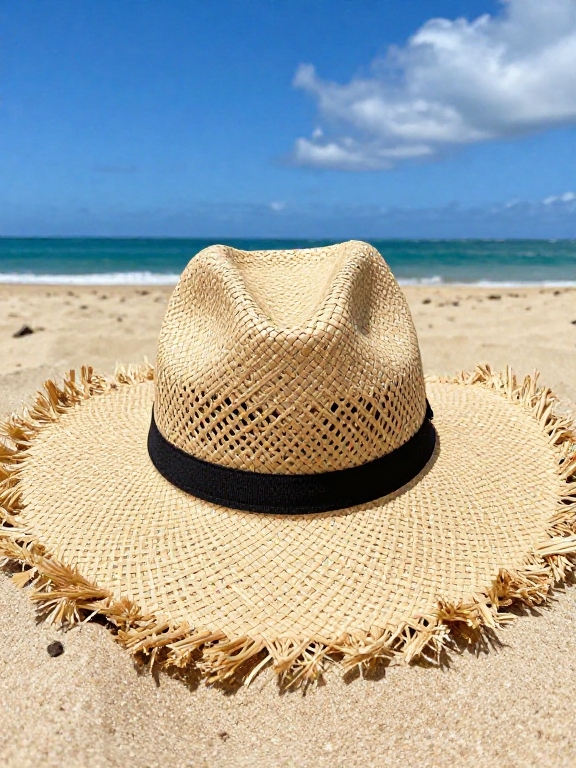
In this guide, you’ll learn what a pava hat is, where it comes from, what it represents, and how people wear and style it today. About Pava hats
## What Is a Pava Hat?
A pava hat is a handwoven straw hat traditionally worn by Puerto Rican *jíbaros*—rural farmers and peasants who worked the land. It typically features:
- A broad, circular brim for shade
- A rounded or slightly conical crown
- Natural straw color (light beige to golden)
- A simple, unadorned design
The word “pava” in this context refers to the style of the hat, not to the Spanish word for “turkey.” Over time, the pava hat has become a cultural icon representing humility, hard work, and Puerto Rican roots.
## Origin and History of the Pava Hat
### Rural Roots in Puerto Rico
The pava hat originated as practical workwear for *jíbaros* who labored in Puerto Rico’s hot, sunny countryside, especially in coffee, sugar cane, and tobacco fields. These hats were:
- Woven from local plant fibers
- Inexpensive and accessible to rural workers
- Designed for all-day use under intense sun
While exact dates are hard to trace, the hat’s use dates back to the 19th century and earlier, long before it became a cultural emblem.
### From Workwear to National Symbol
As Puerto Rican identity movements grew in the 20th century, the image of the *jíbaro*—wearing a pava hat, white shirt, and simple clothing—became a national symbol. Artists, musicians, and politicians used the hat to evoke:
- National pride
- Connection to the land
- Respect for working-class heritage
The pava began appearing in:
- Folk dances and music performances
- Cultural festivals such as *Fiestas Patronales*
- Political imagery and posters
- Tourism ads showcasing “traditional” Puerto Rico
Today, the pava hat is commonly seen at parades, patriotic events, and Three Kings Day celebrations, worn by both performers and spectators.
## Cultural Significance of the Pava Hat
Beyond its practical use, the pava hat carries deep symbolic meaning:
- **Identity:** Represents Puerto Rican heritage and the *jíbaro* as a national archetype.
- **Humility and Hard Work:** Evokes the lives of farmers and laborers who built the island’s agricultural economy.
- **Tradition:** Connects modern Puerto Ricans to rural customs, music, and folklore.
- **Resistance and Pride:** In some contexts, it symbolizes cultural resilience and pride in local roots, especially in contrast to external influences.
Because of this symbolism, the pava hat is often worn during:
- Folk dance performances like *bomba* and *plena*
- School cultural days and heritage projects
- National holidays and parades
- Stage plays and historical reenactments
## How Pava Hats Are Made
Traditional pava hats are handwoven by artisans using natural fibers. While exact materials vary by region and maker, common characteristics include:
- **Materials:** Palm leaves or similar straw-like fibers
- **Process:**
- Cutting and drying the leaves
- Splitting them into thin strips
- Hand-weaving the crown and brim
- Shaping and trimming the edges
Handmade pava hats can range from very simple, rustic styles to finer, more tightly woven versions. Mass-produced versions also exist, often made for tourists or for large events, but they may use cheaper materials and looser construction.
## Traditional Ways to Wear a Pava Hat
In its classic form, the pava hat is worn for function and comfort:
- **Fit:** Snug enough to stay on while working, but loose enough for airflow
- **Position:** Usually straight on the head, brim level or slightly tilted for shade
- **Clothing paired with it:**
- White or neutral cotton shirt
- Simple pants, often rolled at the ankle
- Sometimes a bandana or cloth under the hat for extra sweat absorption
In folk performances, the pava is part of a costume that might include:
- White pants and shirt
- Sash or belt in bright colors
- Simple leather sandals or barefoot dancing
## Modern Uses and Styling Ideas
Today, the pava hat is not limited to rural work or traditional costumes. It’s also used in:
### Cultural and Festive Contexts
- **Parades and festivals:** To show Puerto Rican pride
- **Tourist attractions:** Sold as souvenirs and worn during cultural tours
- **Music videos and performances:** To emphasize folklore or rural themes
### Fashion and Everyday Wear
While less common as a daily hat in cities, some people adapt the pava style for:
- Beachwear or summer outings
- Heritage-themed photo shoots
- Cultural events abroad, especially in Puerto Rican communities in the U.S.
You might see:
- Pava hats combined with modern clothing like jeans, T‑shirts, or sundresses
- Slightly modified designs with darker straw, decorative bands, or smaller brims
## How to Choose and Care for a Pava Hat
### Choosing a Pava Hat
When selecting a pava hat, consider:
- **Material:** Natural straw usually lasts longer and breathes better than synthetic fibers.
- **Weave quality:** Look for consistent, tight weaving with no large gaps or loose ends.
- **Fit:** It should sit comfortably without squeezing your head or falling off easily.
- **Purpose:**
- For decoration or costume: lighter, inexpensive versions may be fine.
- For outdoor wear: a sturdier, better-constructed hat is worth the investment.
### Basic Care Tips
- **Keep it dry:** Avoid soaking; moisture can warp straw and encourage mold.
- **Store properly:**
- Keep in a cool, dry place
- Store on a hook or with the crown facing up to protect the brim
- **Clean gently:**
- Use a soft, dry cloth or brush to remove dust
- Spot-clean only; don’t submerge in water
- **Avoid crushing:** Don’t stack heavy items on top of the hat.
Proper care will help a pava hat maintain its shape and color over time, especially if it is handwoven and made from natural fibers.
## Where to Find Pava Hats
You can find pava hats in several places:
- **Local markets and artisan fairs in Puerto Rico** – often the best source for authentic, handcrafted hats
- **Cultural and folk shops** – both on the island and in Puerto Rican communities abroad
- **Online retailers** – many sell pava-style hats, though quality and authenticity vary
- **Festival vendors** – especially during major Puerto Rican celebrations
When shopping online, read product descriptions carefully and look for mentions of:
- Handwoven construction
- Materials used
- Place of origin
## Why the Pava Hat Still Matters
The pava hat endures because it connects past and present. For many Puerto Ricans, it is:
- A visible link to ancestors who lived and worked in the countryside
- A reminder of the *jíbaro* values of simplicity, resilience, and hard work
- A cultural emblem that can be worn with pride at home or in the diaspora
Whether displayed on a wall, worn at a festival, or used as part of a folk costume, the pava hat remains one of the most recognizable symbols of Puerto Rican identity.
https://www.thitrungruangclinic.com/forum/topic/313324/pava-hats
By understanding its history, symbolism, and traditional use, you can appreciate the pava hat not just as a piece of straw headwear, but as a living piece of cultural heritage.
61.221.116.28
pavasat
ผู้เยี่ยมชม
pavasat@outlook.com